

traditional Moroccan caftan
Moroccan Caftan: From Tradition to Modernity
1. Evolution of the Moroccan Caftan
Traditional Roots

The Moroccan caftan has roots dating back centuries, influenced by Berber, Andalusian, and Middle Eastern styles. Historically, it was a garment for royalty and high social classes, often worn during weddings or special occasions with intricate embroidery and luxurious fabrics like silk and wool.
Modern Transformations

Today, caftans are designed with lighter fabrics, innovative colors, and contemporary cuts while preserving traditional embroidery and detailing. They are worn at fashion shows, luxury events, and even as modern evening wear. The Moroccan caftan has been officially recognized as part of Morocco's national heritage.
2. Famous Designers Integrating Tradition with Modern Fashion
Fatim Zahra Filali Idrissi
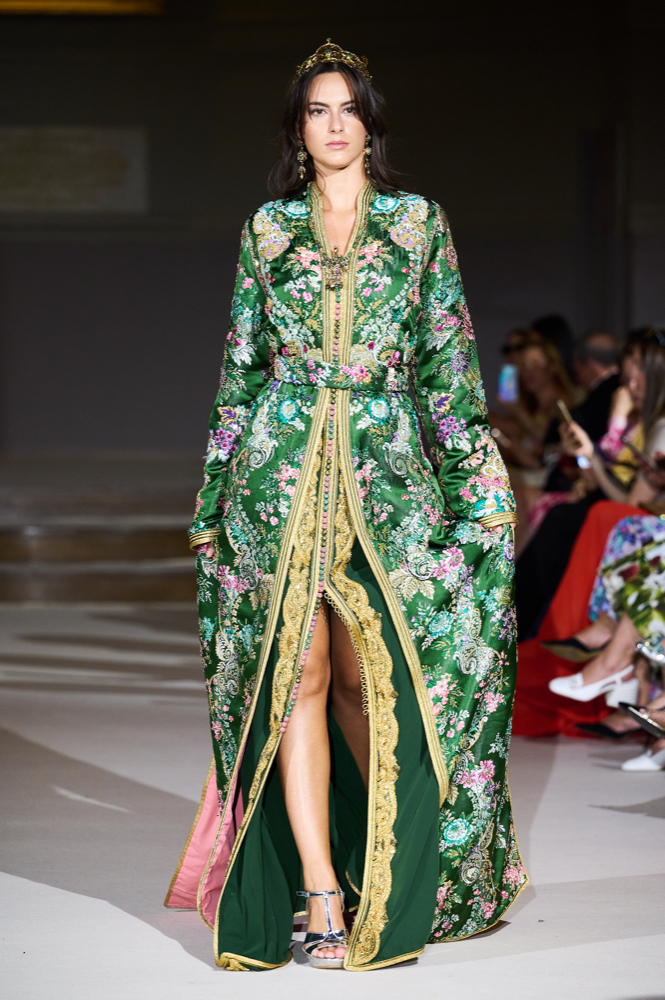
Born in Fez, Fatim Zahra Filali Idrissi founded Maison Fatim to reinterpret Moroccan caftans for haute couture while preserving heritage.
Naïma Loufa Bouftass

A Casablanca-based designer, she blends Moroccan craftsmanship with modern cuts for international appeal.
Lamia Lakhsassi & Salma Lazrak
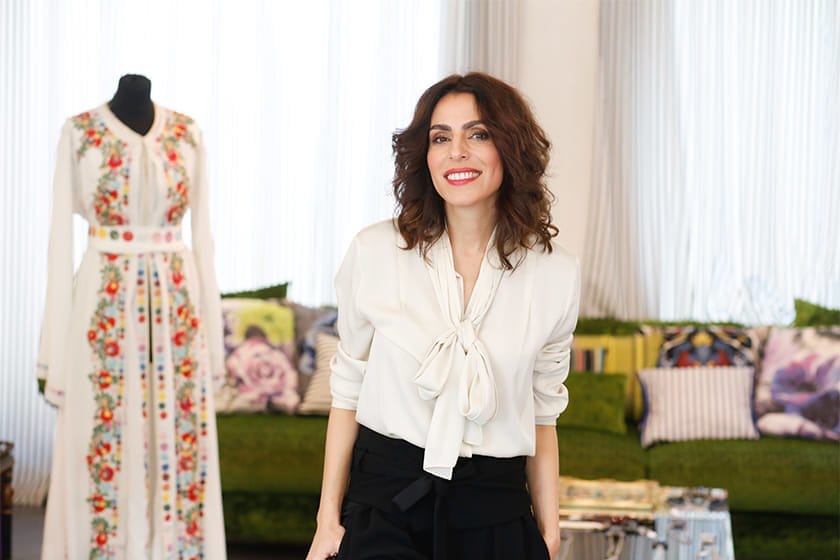
Featured in Maroc Fashion Week 2023, they create caftans that combine traditional embroidery with contemporary silhouettes.
3. Why the Moroccan Caftan is a Global Symbol of Elegance

The Moroccan caftan’s flowing silhouette, intricate embroidery, and luxurious fabric make it suitable for international fashion. It has been featured on global runways and worn by celebrities, symbolizing both heritage and sophistication.


Post a Comment